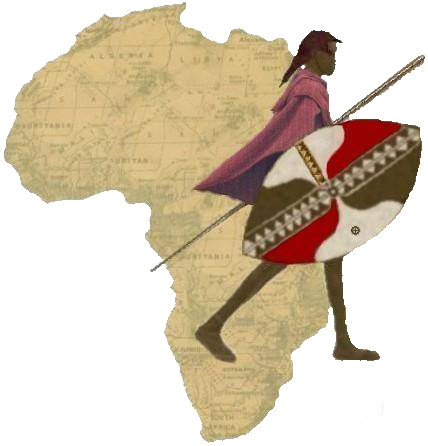
Walking with Maasai

One of Walking with Maasai’s main initiatives is to create an eco-tourism business in which visitors can literally walk with Maasai among the incredible wildlife of the Loita hills.

As a business run by the Maasai, income generated will go directly back into the community to improve facilities and to assist those who most need support. The business also creates much needed employment opportunities.

Why eco-tourism?

Sound, community-based eco-tourism is a key to rural communities becoming actively involved in the conservation of their natural resources. The Maasai people have always been known to live in harmony with the natural environment. Even though this is still the case to a large extent, today’s way of life and way of co-existing with the living environment is rapidly changing. Once, the Maasai were a truly nomadic, pastoral people but now communities are now settling down in more permanent villages, exploring agriculture and a more accumulative lifestyle. This, together with obvious population growth has changed much of the way the Maasai see wildlife and other natural resources today. Where once there was hardly any conflict with wildlife, there is now constant friction and competition for grazing land and agricultural land.

Harmony between the Maasai and the environment

Now, Maasai people find that the wildlife is a threat to crops and settlements. Villages also put more strain on resources such as trees that are used for timber for construction and firewood. Grasslands frequently get overgrazed and water sources get depleted during droughts. The only way this vicious cycle can be changed is if local Maasai communities can actively benefit from the wildlife on the land. This involves counting these wild animals as an asset, rather than a menace that should be removed.

The eco-camp

Under the leadership and guidance of Parit Kashu, Kimero Simpano and Andre Brink, Walking with Maasai are in the process of helping one of the Maasai communities to set up an eco-tourism project that is hoped to make a difference in the Loita Hills. When complete, the eco-camp will have six permanent safari tents set on wooden decks, a lounge overlooking the Loita hills and the Olkeju Arus river and gorge. The eco-camp will feature a complete self contained kitchen/dining area for groups who want to hire the whole camp for themselves and do their own cooking. The camp will also have an environmental education centre and will serve as a training venue for local community members and school children. The eco-camp will be built from locally available materials. All timber used will be harvested from trees in the area of operation that have naturally died, damaging no live trees. The camp will also make use of solar power for pumping and heating water.

Wilderness trails

Using the eco-camp as its base, Walking with Maasai will run wilderness trails into the surrounding wildlife-rich wilderness areas. Visitors will be guided by professional Maasai guides from the local community, trained to the highest standard of field guiding. Maasai elders and traditional Maasai Warriors will accompany groups, following ancient elephant paths into the Forest of the Lost Child, sleeping out under the African night sky and visiting real, traditional Maasai homes.